Complete Guide to Emergency Water Damage Response
Water damage is one of the most common and destructive problems homeowners face. Whether it's from a burst pipe, a leaking roof, or a natural flood, the speed and effectiveness of your response can make the difference between a minor cleanup and a major restoration project.
1. Ensure Safety First
Before you do anything else, ensure the safety of yourself and your family. Water damage can create electrical hazards and structural instability. Turn off the main power supply if it is safe to do so, and do not enter standing water if there are submerged electrical outlets.
2. Stop the Water Source
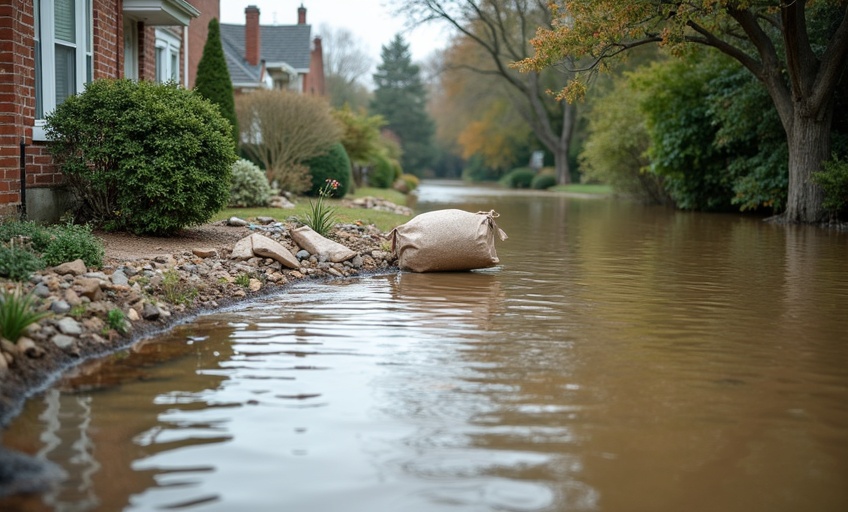
If the water damage is caused by a plumbing issue, locate your main water shut-off valve and turn it off immediately. This will stop the flow of water and prevent further damage. If the flooding is due to natural causes, there may be little you can do to stop it, so focus on moving valuables to higher ground.
3. Document the Damage
Before you begin any cleanup, document the extent of the damage for insurance purposes. Take photos and videos of the affected area, including damaged furniture, appliances, and personal belongings. Accurate documentation is crucial for a successful insurance claim.
4. Call the Professionals
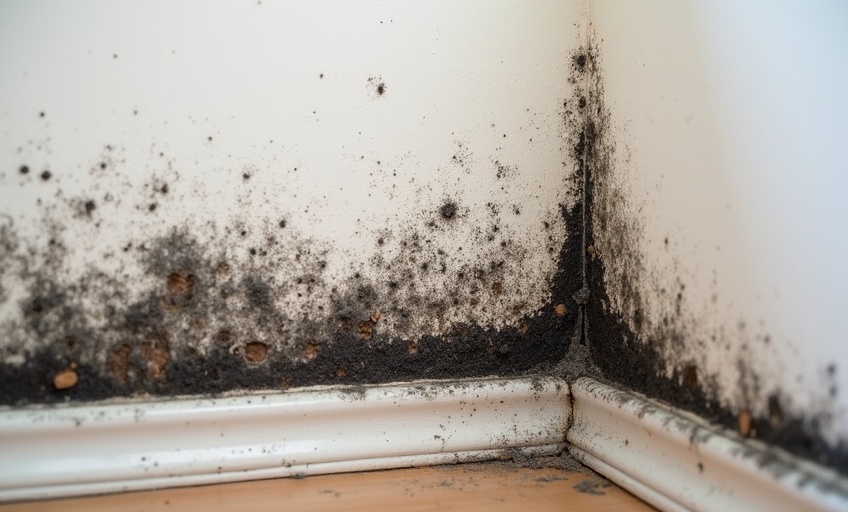
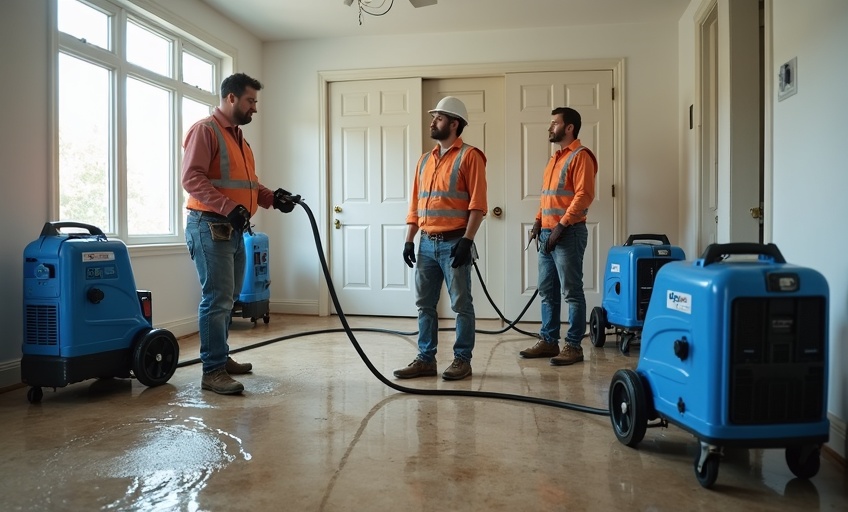
While minor spills can be cleaned up with towels, significant water damage requires professional equipment and expertise. Certified restoration professionals have industrial-grade extractors, dehumidifiers, and air movers to thoroughly dry your property and prevent mould growth.
5. Begin Mitigation
While waiting for help, you can start removing excess water by mopping and blotting. Remove wet area rugs and loose items. Wipe furniture dry and prop up wet furniture cushions for even drying. Do not use a household vacuum to remove water, as this can be dangerous.